
Digital Health Assessment vs Telehealth Exam for Insurers
A detailed comparison of digital health assessments and telehealth exams, analyzing cost, speed, and applicant friction for life insurance underwriting.
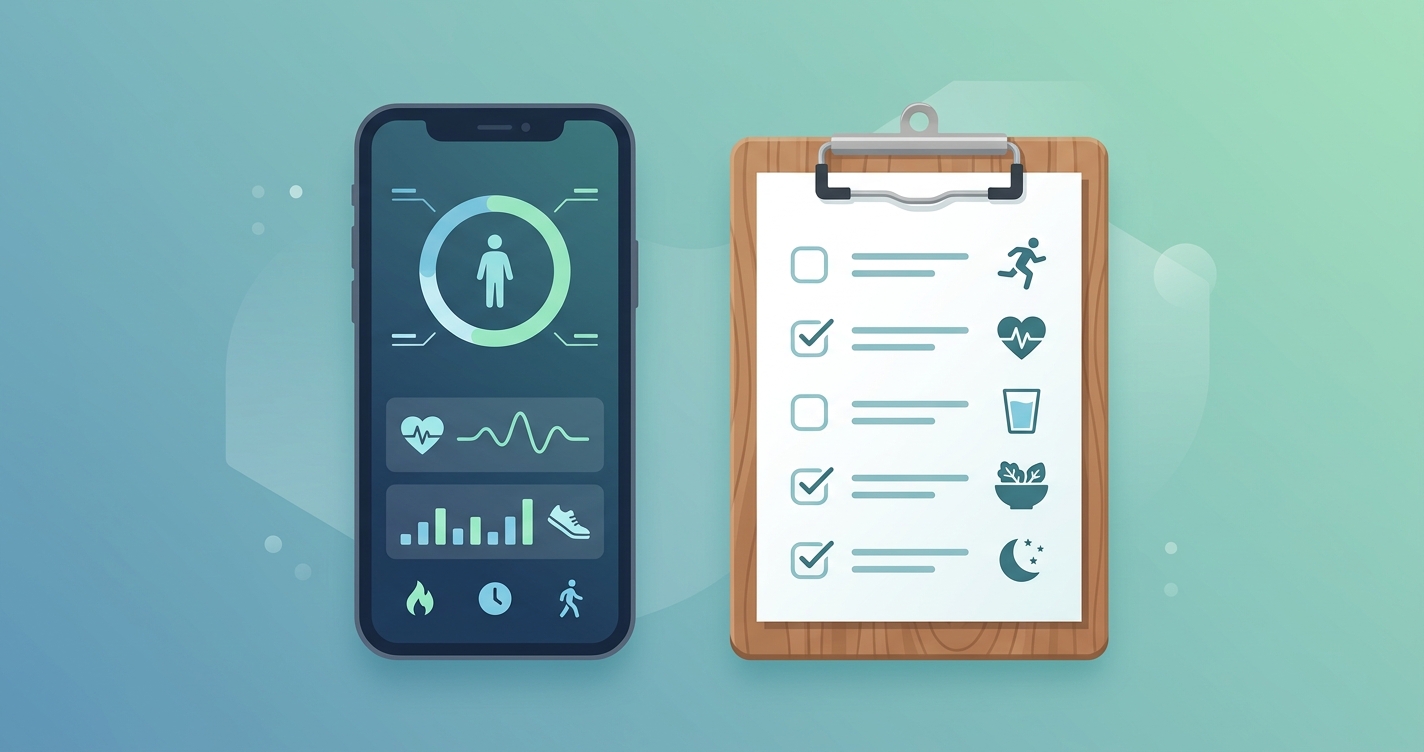
For decades, life insurance underwriting relied heavily on a standardized but burdensome procedure: dispatching a paramedical examiner to an applicant's home to draw blood, check vital signs, and administer a lengthy medical questionnaire. While this provided detailed clinical data, it introduced massive friction, high operational costs, and extended processing times. Today, insurance product managers and underwriting executives are shifting rapidly toward remote diagnostic models to modernize the application workflow. When evaluating a digital health assessment vs telehealth exam, carriers must carefully analyze how each methodology impacts cost per policy, time to issue, and overall applicant abandonment rates. The choice between these two remote screening methods fundamentally alters the economics of acquiring new policyholders.
"Seventy-nine percent of life insurance applicants cite the amount of required effort as the leading reason for abandoning the application process, with sixty-three percent dropping out specifically due to the time required to complete the steps."
- LexisNexis Risk Solutions, Health Intelligence Research Report, 2021
Evaluating a digital health assessment vs telehealth exam
The transition away from in-person medical visits has left insurers with two primary remote alternatives. Understanding the structural differences between them is critical for building an efficient risk evaluation funnel.
A digital health assessment is an asynchronous, software-driven process. The applicant uses their own smartphone, tablet, or computer to complete the screening independently. This process relies on dynamic health questionnaires and mobile device sensors to capture physical baseline data without human intervention. The defining characteristic is complete self-service. An applicant can receive a secure link at midnight, complete the required steps in a few minutes, and submit the data directly into the carrier's automated underwriting engine.
A telehealth exam is a synchronous, clinician-led process. It effectively replaces the physical presence of a nurse with a scheduled video conference. A registered nurse or licensed physician interviews the applicant over a secure video link, observes their physical appearance, and manually records their health history. While this removes the need for physical travel, it still requires the active participation of a medical professional.
| Feature | Digital Health Assessment | Telehealth Exam | Traditional Paramedical Exam |
|---|---|---|---|
| Core Mechanism | Self-service software application | Clinician-led video consultation | In-person clinical visit |
| Hardware Required | Applicant's personal smartphone | Computer or smartphone with webcam | Physical medical equipment |
| Scheduling Requirements | None, completed instantly on demand | Required, subject to clinician availability | Required, subject to examiner availability |
| Processing Time | Seconds to minutes | 15 to 30 minutes | Days to weeks including lab work |
| Scalability | Unlimited simultaneous sessions | Constrained by medical staff headcount | Highly constrained by geographic logistics |
| Cost Structure | Low flat fee or API transaction rate | Moderate per-session professional fee | High administrative and medical fees |
Underwriting cost dynamics
The financial implications of choosing between these technologies extend far beyond the initial price tag. Underwriting margins are highly sensitive to the cost of data acquisition.
- Traditional Medical Costs: An in-person paramedical exam requires coordinating schedules, physical travel time, sample processing at a laboratory, and secure data transmission. This entire logistical chain costs carriers approximately $100 to $300 per applicant.
- Telehealth Overhead: Telehealth removes physical travel and fluid processing, which reduces direct expenses. However, insurers must still pay for the clinician's hourly rate. These sessions typically bill at $40 to $100 each. Furthermore, insurers must maintain scheduling software and administrative support to handle missed appointments and technical troubleshooting.
- Software Economics: Digital health assessments operate on scalable API-driven economic models. Because there is no human clinician involved during the data capture phase, the marginal cost of screening an additional applicant is extremely low. Insurers typically pay a flat software licensing fee or a negligible per-transaction cost, effectively reducing the screening expense from hundreds of dollars to a few dollars or less.
- Customer Acquisition Waste: The most significant hidden cost is the wasted marketing spend caused by application abandonment. If it costs $500 to acquire a qualified lead, and 20 percent of those leads drop out because they do not want to schedule a telehealth call, the true cost of the synchronous model includes that lost acquisition investment.
Impact on applicant friction and conversion rates
The effort required to secure a policy directly correlates with placement rates. Life insurance is frequently an impulse purchase driven by a life event, such as buying a home or having a child. Any delay in the underwriting process allows that initial momentum to cool.
Scheduling a telehealth appointment requires the applicant to align their calendar with a clinician, find a quiet space, and prepare for a formal interview. This introduces a mandatory waiting period. Even if an appointment is available the next day, the applicant has time to reconsider the purchase, get distracted by other priorities, or be approached by a competing agency offering a faster process.
A self-service digital assessment capitalizes on the buyer's initial intent. Because it is completed immediately upon receiving a prompt, there is no waiting period. The applicant holds their device, follows the on-screen instructions, and satisfies the carrier's requirements instantly. This low-friction environment maximizes the return on marketing investments by moving the applicant to a binding decision before they can abandon the funnel.
Beyond simple convenience, there is a distinct psychological advantage to self-service models. Medical interviews, even when conducted over video, can induce anxiety. Applicants may feel pressured or judged when discussing their medical history with a clinician, leading to temporary physiological spikes, such as an elevated heart rate. An automated assessment conducted in the privacy of the applicant's own home removes this external pressure. The applicant interacts solely with a software interface, creating a more relaxed environment that often yields more accurate, resting-state data. This reduction in anxiety Improves the user experience. Enhances the reliability of the data feeding the underwriting engine.
Industry Applications
Different product lines require varying levels of risk diligence. Carriers are deploying these remote tools strategically based on the face amount and target demographic of the policy.
High-volume simplified issue underwriting
For simplified issue products, final expense policies, and lower face-amount term life insurance, speed is the primary driver of profitability. These products operate on volume. A digital health assessment is the ideal tool for this segment. It allows carriers to instantly capture self-reported data and physiological baselines, feeding straight-through processing engines without incurring clinical overhead.
Complex case escalation
Policies with multi-million dollar face amounts or older applicants naturally require deeper investigation. In these scenarios, the telehealth exam serves as a highly effective escalation tool. Instead of sending a nurse to every applicant, carriers can use an automated assessment as the first pass. If the software flags inconsistent data or a complex medical history, the applicant is triaged to a telehealth exam for a detailed clinical interview.
Term life conversion campaigns
When policyholders convert term policies to permanent life insurance, carriers often need updated health information without subjecting the client to a full re-underwriting process. Automated software assessments allow carriers to update the risk profile quickly and unobtrusively, ensuring high conversion rates while maintaining accurate pricing models.
Current research and evidence
Industry research consistently points toward consumer preference for digital, asynchronous workflows. LexisNexis Risk Solutions conducted extensive research on consumer readiness to share digital health data. Their findings reveal that the primary obstacle to placing life insurance policies is not the applicant's underlying health, but the administrative burden of proving it. Specifically, 60 percent of applicants cited the effort required to provide detailed medical information as a major hurdle.
Another critical factor identified in recent industry reports is the generational shift in consumer expectations. Younger demographics, particularly Millennials and Generation Z, are entering their prime life insurance purchasing years. These cohorts have grown up managing their lives through smartphones and exhibit a very low tolerance for synchronous appointments. Research indicates that forcing these applicants into a traditional scheduling funnel drastically increases the probability that they will abandon the application in favor of a competitor offering a purely digital experience. As carriers compete for this emerging market, deploying asynchronous screening tools becomes less about operational efficiency and more about basic market viability.
Furthermore, data from LIMRA indicates that double-digit growth in life insurance premiums is heavily concentrated among carriers that deploy accelerated underwriting programs. These accelerated programs rely on non-traditional data sources, electronic health records, and self-service portals to bypass manual underwriting steps. The correlation is clear: carriers that remove physical and scheduling barriers capture more market share.
The future of remote underwriting
The future of risk assessment is not a binary choice between automated software and virtual nurses. Instead, the industry is moving toward dynamic, hybrid workflows. In this model, every applicant will undergo a rapid digital health assessment at the point of sale. The automated system will process the results instantly. The vast majority of applicants - those falling within standard deviation thresholds for their age and gender - will be approved immediately.
Only the exceptions will be routed to a telehealth exam. This intelligent triaging ensures that expensive clinical resources are reserved strictly for cases that require human judgment. By layering these technologies, carriers can achieve the speed of automation alongside the diligence of traditional underwriting, ultimately lowering premium costs and expanding coverage access to a broader demographic.
Frequently asked questions
What is the main difference between a digital health assessment and a telehealth exam?
A digital health assessment is a completely self-service, automated process completed by the applicant using software on their own device. A telehealth exam is a scheduled video consultation led by a live registered nurse or physician who conducts a medical interview remotely.
How do remote exams affect applicant drop-off rates?
Remote exams generally reduce drop-off rates compared to in-person medical visits. However, asynchronous digital assessments yield the lowest abandonment rates because they require no scheduling and can be completed instantly, whereas telehealth exams still introduce friction through appointment coordination.
Can a digital health assessment completely replace traditional exams?
For many simplified issue and accelerated underwriting products, yes. Automated assessments provide sufficient data to confidently price standard risks. For high-face-value policies or complex medical histories, carriers may still require clinical escalation, though often via telehealth rather than in-person visits.
Are digital underwriting models secure?
Yes. Modern digital screening platforms utilize enterprise-grade encryption and comply with strict data privacy regulations, ensuring that applicant health information is transmitted securely directly to the carrier's underwriting engine.
To maintain a competitive edge, evaluating these tools side-by-side is a strategic necessity for carriers. Circadify is addressing this space by providing infrastructure that enables rapid, self-service health data capture without the overhead of clinical scheduling or hardware logistics. To see how these technologies integrate into existing risk models and improve straight-through processing rates, explore our resources for insurance platforms at https://circadify.com/industries/payers-insurance.