
Is it safe to share a video of my face with a life insurance company?
Learn how life insurance companies handle facial video analysis, what data is measured and stored, and the regulations that protect applicant health data privacy.
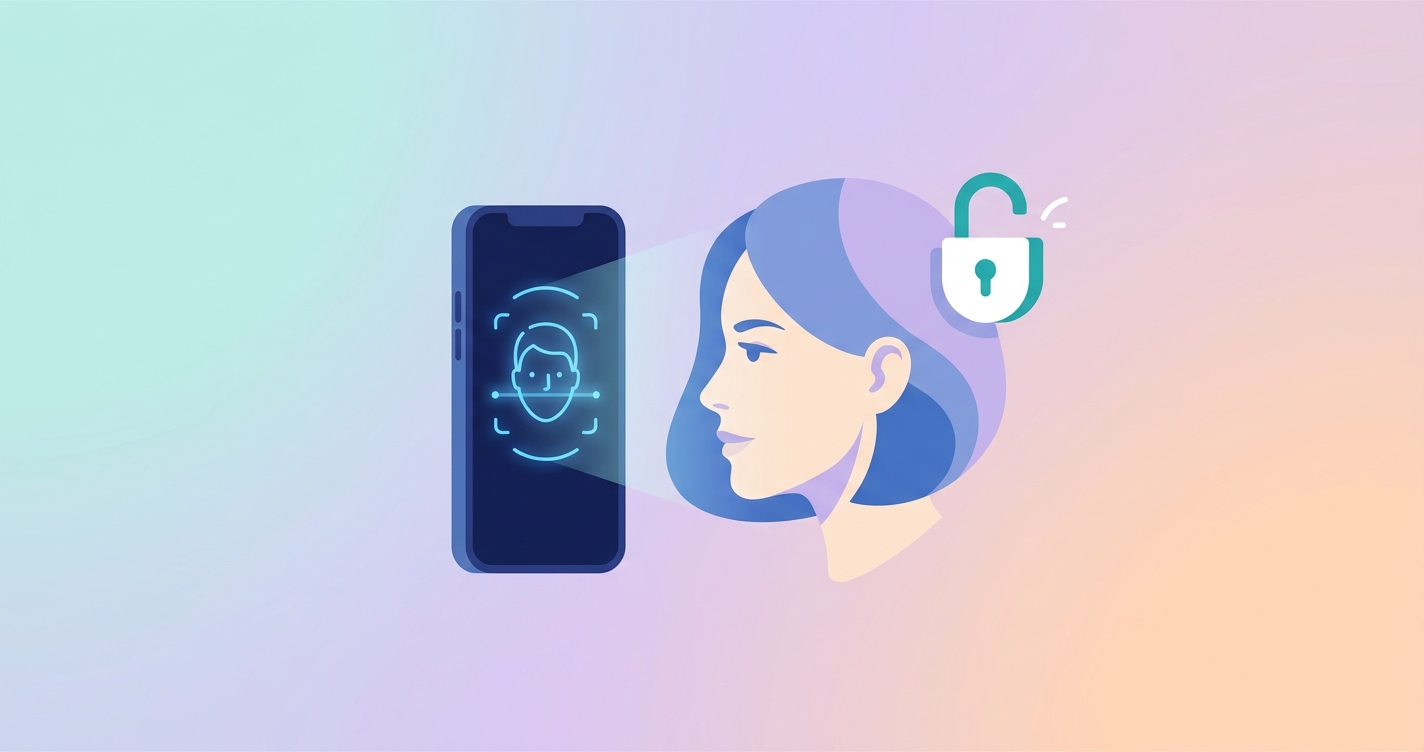
The question of whether it's safe to share a video of your face with a life insurance company would have been nonsensical a decade ago. Today, it's a valid and increasingly common concern. As insurance carriers adopt technologies that use a smartphone camera to perform a digital health assessment, applicants are right to ask what's happening with their data. This technology, which uses a process called remote photoplethysmography (rPPG), represents a significant shift in how underwriting evidence is gathered. Understanding the new landscape of insurance applicant health data privacy is essential for both applicants and the insurance professionals navigating this transition.
"A 2024 report on data privacy found that 73% of consumers are more concerned about their data privacy now than a few years ago, and 64% feel their data is less secure today than it was in the past. This sentiment is a critical backdrop for the introduction of new health data collection methods."
How video-based health screening impacts data privacy
The central technology at play is remote photoplethysmography (rPPG). It uses a conventional video camera, like the one in a smartphone, to detect subtle, imperceptible changes in the color of light reflected off the skin. These changes correspond to the pulsing of blood through the vessels just beneath the surface. By analyzing these signals, the system can derive vital signs like heart rate, heart rate variability, respiration rate, and even blood pressure.
A common misconception is that this technology involves facial recognition or that the insurance company stores the video of your face. For reputable providers in this space, neither is true. The video stream is analyzed in real-time, often on the device itself, to extract the raw physiological signal. Once the vital sign data is calculated, the video is typically discarded and never permanently stored. The process is not about identifying who you are from your facial features, but about measuring your physiological state. This is a critical distinction for insurance applicant health data privacy. The primary output is a set of anonymized health data points, not a personal, identifiable video file.
| Feature | Traditional Paramedical Exam | Digital Health Assessment (Video Scan) |
|---|---|---|
| Data Collected | Blood sample, urine sample, physical measurements (height, weight), EKG, blood pressure, spoken answers. | Anonymized physiological data from video analysis (e.g., heart rate, blood pressure). No biological samples. |
| Data Storage | Physical files, lab reports in Electronic Health Records (EHR), third-party databases. | Encrypted numerical data points stored in secure, compliant cloud environments. Video is not stored. |
| Applicant Experience | In-person visit, can take 30-60 minutes, requires scheduling. | 30-60 second self-scan from any private location with a smartphone. |
| Privacy Safeguards | HIPAA regulations apply to all involved parties (lab, examiner, insurer). Risk of human error in handling. | HIPAA regulations apply. Data is encrypted in transit and at rest. Access is strictly controlled. |
| Identifiability | Directly tied to Personal Identifiable Information (PII) and Protected Health Information (PHI). | Data points are typically de-identified and separated from PII during processing. |
Industry applications and data security
For insurance product managers and underwriting executives, implementing a video-based health assessment requires a robust framework for securing data and ensuring regulatory compliance. The concerns of the applicant must be the first priority, addressed through both system architecture and clear communication.
Data handling and minimization
- No Video Storage: The most crucial protocol is the immediate deletion of the facial video after the analysis is complete. The system should only retain the resulting vital sign measurements.
- Data Encryption: All data, from the moment of capture on the applicant's device to its final storage in an underwriting system, must be encrypted in transit and at rest using industry-standard protocols like AES-256.
- Access Control: Only authorized underwriting and compliance personnel should have access to the final health data, governed by strict, role-based permissions.
Regulatory Compliance
The handling of this data falls under strict regulations. In the United States, the Health Insurance Portability and Accountability Act (HIPAA) sets the standard for protecting sensitive patient health information. Any company providing this technology to an insurer must be able to execute a Business Associate Agreement (BAA), legally obligating them to uphold HIPAA standards. Furthermore, state-level regulations, like the Illinois Biometric Information Privacy Act (BIPA), impose even more stringent requirements on the collection and handling of biometric data, a category that can include facial scans.
Current research and evidence
The privacy implications of rPPG are a subject of serious academic study. Researchers have been actively developing methods to enhance the privacy of individuals. A 2021 study by Al-Naji and colleagues published in IEEE Access focused on developing privacy-preserving techniques for rPPG by effectively de-identifying the video data before analysis. This line of research demonstrates a commitment within the scientific community to ensuring the technology can be used without compromising personal privacy. The core concept is "data minimization", collecting only what is necessary and processing it in the least invasive way possible. This academic work provides a foundation for commercial systems to build upon, ensuring that privacy is not an afterthought but a core component of the technology's design.
The future of insurance applicant health data privacy
Looking ahead, the trend is toward greater transparency and applicant control. As consumers become more educated about their data, they will increasingly expect to know what is being collected, why it is needed, and how it is being protected. For the insurance industry, this means that simply adopting new technology is not enough. The winners will be those who adopt it responsibly. The future of insurance applicant health data privacy will likely involve self-sovereign identity models, where applicants can "own" their health data and grant temporary, specific access to an insurer for the purpose of underwriting, revoking it once a decision is made. While the infrastructure for this is still emerging, the underlying principle of applicant empowerment is already shaping product design and compliance strategies.
Frequently asked questions
Q: Does the insurance company keep the video of my face?
A: No. In a properly designed system, the video of your face is used for real-time analysis only and is deleted as soon as the physiological data is extracted. The insurer and their technology partner do not store the video.
Q: Can this technology be used for facial recognition to identify me?
A: No. The technology is designed to analyze subtle color changes in the skin, not the unique features of your face. It is a measurement tool, not a facial recognition or identification tool.
Q: Is my health data safe and compliant with laws like HIPAA?
A: Yes. All data collected for a health assessment is considered Protected Health Information (PHI) and must be handled according to HIPAA's strict security and privacy rules. This includes using encryption, secure servers, and tight access controls.
The shift to digital health assessments is a major step in making life insurance more accessible and convenient. Technologies like remote photoplethysmography are powerful tools that can speed up the underwriting process and replace the need for inconvenient in-person exams. At Circadify, we are focused on addressing these exact challenges, building solutions that provide robust data for insurers while ensuring the highest standards of applicant privacy and security. To learn more about implementing compliant digital health screening solutions, visit our resources for insurance carriers at circadify.com/industries/payers-insurance.